
Watch Crystal Size By Brand: What to Check Before You Buy
 10 min read
1,986 words
10 min read
1,986 words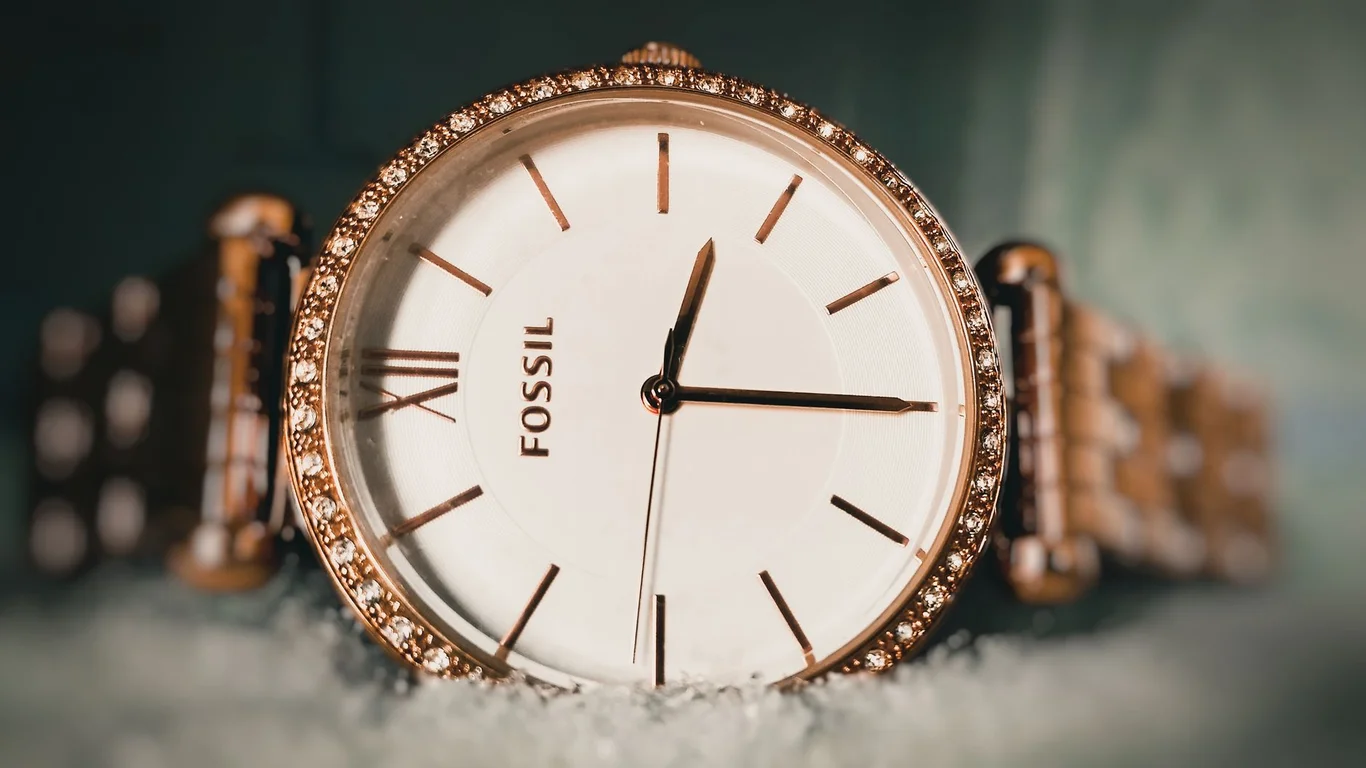
You just found a replacement crystal online for a great price, but the listing says “28.5mm x 1.5mm” and your old crystal is still rattling around somewhere in a drawer. Before you hit “buy,” you need to know one thing: does your specific watch brand even use that size? Crystal sizing conventions vary wildly between manufacturers and even between product lines from the same brand. This guide gives you the fast reference you need to check general sizing trends for your brand before you place that order.
Why Crystal Sizing Conventions Differ by Brand and Product Line
There is no universal standard for watch crystal sizes. Each manufacturer has its own engineering philosophy, design language, and supply chain relationships that dictate what crystals they use. A Seiko diver from the 1970s and a modern Invicta Pro Diver might both look like “dive watches,” but their crystal specifications rarely overlap.
Several factors drive these differences. Case construction plays a major role — a watch with a screw-down bezel needs a different crystal retention method than a snap-fit dress watch. The movement inside also matters; a smaller movement usually means a smaller dial opening and therefore a smaller crystal. Finally, brand heritage and aftermarket availability have created de facto standards over time. Seiko, for example, has dozens of common crystal sizes because they have produced thousands of distinct references across decades. Invicta, by contrast, tends to reuse the same few case designs across many models, so their crystal sizes are far more predictable.
When you search for a watch crystal size by brand, you are not looking for one single number. You are looking for a range of common sizes that appear repeatedly across that brand’s catalog. Knowing that range narrows your search dramatically.
Full Reference Table: Brand, Typical Crystal Type, and Where to Verify Exact Size
The table below covers the most common watch brands you are likely to encounter when shopping for a replacement crystal. For each brand, you get the typical crystal material you will find, the most common size ranges you should expect, and the best place to confirm the exact measurement for your specific watch. Use this as your starting point, not your final answer.
| Brand | Typical Crystal Type | Common Size Range (Diameter) | Best Way to Verify Exact Size |
|---|---|---|---|
| Seiko | Mineral (Hardlex) or Sapphire (higher-end) | 25.0mm – 32.0mm (very common: 28.5mm, 30.0mm, 31.5mm) | Case back reference number + Seiko parts database (e.g., CousinsUK, Ofrei) |
| Citizen | Mineral (Crystex) or Sapphire (Eco-Drive Pro) | 26.0mm – 35.0mm (varies widely by line) | Case back model number (e.g., “8200-S12345”) + movement caliber lookup |
| Casio | Mineral (most models) or Sapphire (G-Shock MR-G, Oceanus) | 22.0mm – 40.0mm (module-specific, not case-specific) | Module number printed on case back (e.g., “Module 3159”) |
| Orient | Mineral (most) or Sapphire (higher-end, some divers) | 28.0mm – 34.0mm | Case back reference + movement number (e.g., “F6922”) |
| Vostok | Acrylic (most common) or Mineral (rare) | 31.5mm – 38.0mm (Amphibia: ~31.5mm) | Case reference (e.g., “420”) + known Amphibia compatibility charts |
| Timex | Mineral (most) or Acrylic (vintage) | 25.0mm – 32.0mm | Case back model number + Timex parts database (e.g., “T2N677”) |
| Fossil | Mineral (vast majority) | 28.0mm – 38.0mm (case-size dependent) | Case back model number + aftermarket crystal charts (e.g., Esslinger, Ofrei) |
| Invicta | Mineral (Flame Fusion) or Sapphire (Pro Diver) | 30.0mm – 40.0mm (Pro Diver: ~30.5mm, 38.0mm) | Case back model number + known Invicta case dimensions (e.g., “8926OB”) |
| Rolex | Sapphire (all modern) or Acrylic (vintage) | 30.0mm – 31.5mm (Submariner: ~30.5mm, Datejust: ~30.0mm) | Reference number (e.g., “114060”) + Rolex parts catalog (e.g., Bexley, Ofrei) |
| Omega | Sapphire (modern) or Hesalite (Speedmaster, vintage) | 30.0mm – 33.0mm (Speedmaster: ~30.0mm, Seamaster: ~32.0mm) | Reference number + Omega parts database (e.g., CousinsUK, Ofrei) |
| Tissot | Mineral (most) or Sapphire (higher-end) | 28.0mm – 35.0mm | Case back reference + Tissot parts catalog (e.g., Swatch Group parts) |
| Hamilton | Mineral (most) or Sapphire (Khaki series, some | 28.0mm – 34.0mm | Case back reference + Hamilton parts database (e.g., “H70455133”) |
| Longines | Sapphire (modern) or Mineral (some vintage) | 28.0mm – 35.0mm | Reference number + Longines parts catalog (e.g., Swatch Group parts) |
| Tag Heuer | Sapphire (most modern) or Mineral (some Aquaracer) | 30.0mm – 34.0mm (Carrera: ~30.5mm, Aquaracer: ~32.0mm) | Reference number + Tag Heuer parts database (e.g., “WAR201A”) |
| Rado | Sapphire (almost all, often scratch-resistant) | 28.0mm – 36.0mm | Reference number + Rado parts catalog (e.g., Swatch Group parts) |
| Mido | Sapphire (modern) or Mineral (some vintage) | 28.0mm – 34.0mm | Reference number + Mido parts database (e.g., Swatch Group parts) |
| Certina | Sapphire (modern) or Mineral (some older models) | 28.0mm – 34.0mm | Reference number + Certina parts catalog (e.g., Swatch Group parts) |
| Swatch | Mineral (most) or Acrylic (some vintage) | 25.0mm – 35.0mm (very model-specific) | Case back model number + Swatch parts database (e.g., “YAS100”) |
| Movado | Sapphire (Museum) or Mineral (some lower-end) | 24.0mm – 30.0mm (Museum: ~26.0mm) | Case back model number + Movado parts catalog (e.g., “0606534”) |
| Bulova | Mineral (most) or Sapphire (Precisionist, some higher-end) | 28.0mm – 36.0mm | Case back model number + Bulova parts database (e.g., “96B257”) |
If you are looking up a Seiko crystal size or a Citizen crystal replacement size, the reference number on the case back is almost always your golden ticket. For Casio watch glass size, ignore the case — look at the module number instead. For an Invicta crystal fit, the model number like “8926” or “9937” will get you to the right size in seconds.
The ranges above are broad for a reason. Even within a single brand, a 42mm dive watch and a 36mm dress watch will use completely different crystals. The key takeaway is that you should never assume a specific size based solely on brand name — always verify with the reference number.
Reading Your Case Back or Manual for the Correct Spec
Your fastest path to the correct crystal size is already on your watch. The case back almost always has a reference number, model number, or module number printed or engraved on it. For most brands, this number is all you need to search a parts database or an aftermarket seller’s compatibility chart.
Here is how to decode what you are looking at:
- Seiko: Look for a 4- to 6-digit number starting with a letter (e.g., “SKX007” or “SNK809”). This is your case reference. Search that number + “crystal size” and you will find the exact diameter and thickness.
- Citizen: The case back will have a model number like “8200-S12345”. The first four digits (e.g., “8200”) are the movement caliber. The second part (e.g., “S12345”) is the case code. Both are needed for accurate parts lookup.
- Casio: Ignore the case number. Look for “Module” followed by a 4-digit number (e.g., “Module 3159”). This is the movement module, and it determines the crystal size. Search “Casio Module 3159 crystal size” to get your answer.
- Invicta: The model number is usually on the case back, something like “8926OB” or “9937”. Search “Invicta 8926 crystal size” for a quick result.
- Vostok: The case reference is a 3-digit number like “420” or “710”. Combine it with “Amphibia crystal size” for the most common results.
Do not rely on the case back number alone for vintage watches. Many older watches have had crystals replaced with non-original sizes over the years. If the crystal looks like it might not be original, measure the case opening with a caliper rather than trusting the reference number.
If you have the original manual, check the technical specifications section. Many modern brands list the crystal diameter and thickness in the manual. This is the most reliable source because it comes directly from the manufacturer. If you do not have the manual, most brands offer PDF downloads on their websites — search your brand name + “manual” + your reference number.
When you have the reference number, plug it into a parts database like CousinsUK, Ofrei, or Esslinger. These sites let you search by brand and reference and usually return the exact crystal specification. You can also try Google with the search pattern “[reference number] crystal size” or “[reference number] replacement crystal”.
When to Contact the Manufacturer Directly Instead of Guessing
Sometimes the reference number is not enough. If you own a watch from a brand that does not widely share parts data — or if your watch is very old, very rare, or uses a proprietary crystal — guessing based on common sizes can cost you time and money. In these cases, contacting the manufacturer directly is the smarter move.
Here are the situations where you should pick up the phone or fire off an email:
- Luxury Swiss brands (Rolex, Omega, Patek Philippe, etc.): These manufacturers often do not publish crystal specifications publicly. A call to an authorized service center or the brand’s parts department can get you the exact size, though they may require you to go through an authorized dealer.
- Modern watches with unusual case shapes: If your watch has a square, tonneau, or asymmetrical case, the crystal is likely custom-cut. No generic aftermarket crystal will fit. The manufacturer is your only source for a direct replacement.
- Watches with integrated bezels or complex crystal retention: Some watches use a crystal that is pressed into a bezel assembly, not the case itself. Removing it without the right tools and specs can damage the bezel. The manufacturer can tell you the exact procedure and part number.
- Vintage watches from defunct brands: If the brand no longer exists, contact a specialist vintage parts supplier instead. They often have NOS (new old stock) crystals or can tell you which generic size cross-references to your watch.
When contacting a manufacturer, have your case back reference number, movement caliber, and the watch’s approximate year of manufacture ready. This information helps them locate the correct part in their archives faster. For Swiss brands, the case reference is often a 4- to 6-digit number starting with a letter (e.g., “Ref. 116610LN” for a Rolex Submariner).
One more thing: if your watch is still under warranty, do not attempt to replace the crystal yourself. Unauthorized repairs void the warranty. Contact the manufacturer or an authorized service center for a warranty-covered replacement. The cost of a factory replacement is often worth the peace of mind that comes with a guaranteed fit and water resistance.
Wrapping Up: Your Next Step
You now have the reference framework to quickly check crystal sizing conventions for your brand. Start with the table above to get a sense of your typical size range, then move to the case back or manual to confirm the exact spec. If your brand is not listed, the same principles apply — look for the reference number and search it in a parts database.
Remember that crystal thickness matters just as much as diameter. A crystal that is too thick will not seat properly in the case, and one that is too thin may pop out under pressure. Always verify both dimensions before ordering. With the right reference number and a few minutes of searching, you can confidently order the correct crystal and get your watch back on your wrist.
Frequently Asked Questions
Is there one universal crystal size chart that works for every brand?
No. While some size ranges overlap, there is no single crystal chart that covers all watch brands. Each manufacturer uses its own reference system, and even within a brand, crystal dimensions vary by model and era. The tables in this guide give you a starting point, but you must always verify against your specific watch’s reference number.
Why do two watches from the same brand sometimes use different crystals?
Two watches from the same brand can use different crystals because case design, water resistance requirements, and movement thickness all influence crystal selection. A dive watch and a dress watch from the same manufacturer will rarely share the same crystal, even if they look similar in size. Brand-specific reference numbers are the only reliable way to tell them apart.
Can I use a generic crystal if I can’t find the exact brand-specific part?
You can, but only if you know the exact diameter and thickness of the original crystal. Generic crystals are sold by these two dimensions, not by brand reference. Measure your old crystal with a caliper, and match those numbers to a generic option — just be aware that aftermarket crystals may differ slightly in profile or bevel, which can affect fitment and water resistance.
🛒 Shop Compatible Parts
Prices and stock verified daily by our affiliate partners. As an affiliate, WatchPartsFit may earn a commission on qualifying purchases at no extra cost to you.
Check Compatibility First →
watchpartsfit
WatchPartsFit editor covering mechanical watch strap compatibility, movement repair, and part-replacement guides.