
Watch Water Resistance Pressure Test: What the Service Involves and What It Costs
 9 min read
1,716 words
9 min read
1,716 words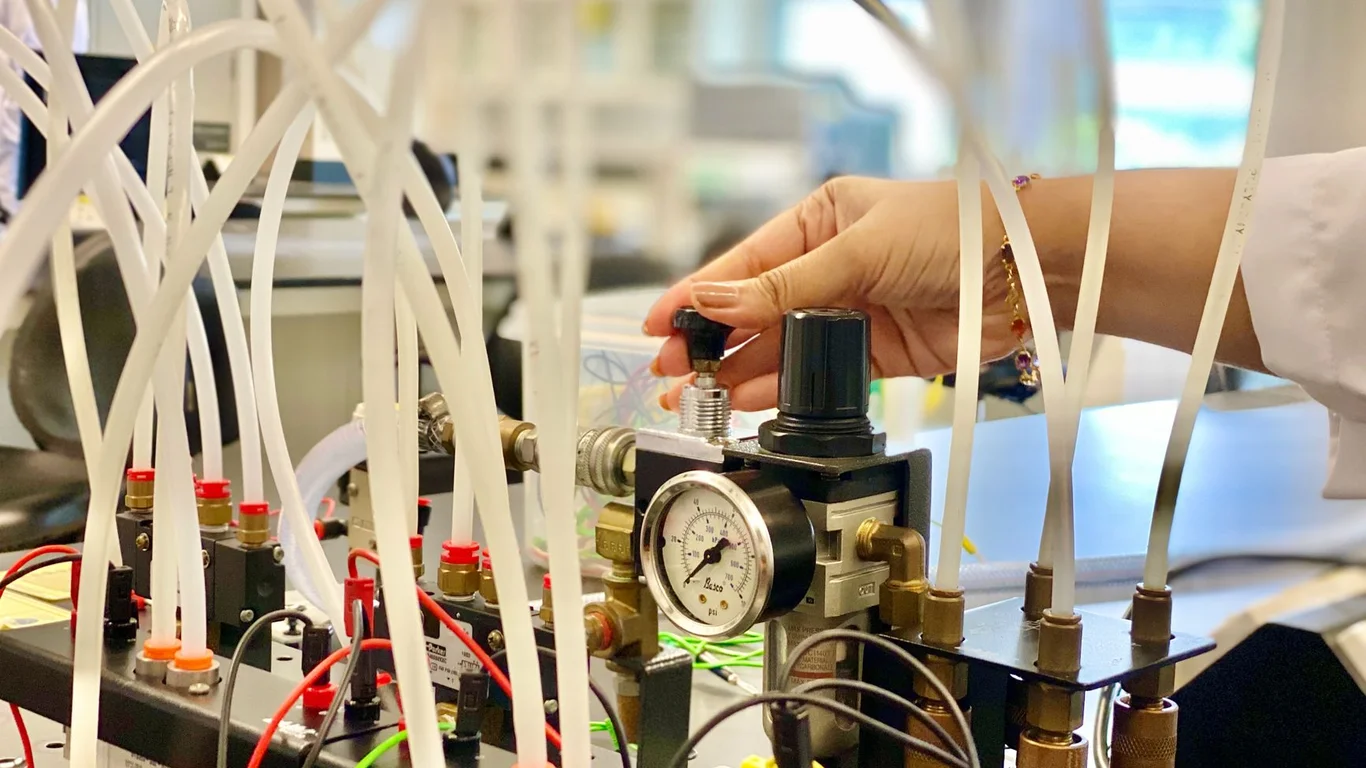
You Just Had Your Watch Opened — Now What?
If you just picked up your watch from a battery change, a crystal replacement, or a full movement service, you might be staring at it wondering whether it’s still safe to wear in the rain, let alone take it swimming. That’s a fair question. The truth is, every time a watchmaker cracks open that case back, the factory-level water resistance is compromised. It doesn’t matter if the watch was a 200-meter diver fresh from the factory floor — once the case is opened, the seal is broken.
So what happens next? You need a watch water resistance pressure test. This isn’t a luxury or an upsell. It’s the only way to know for sure that your watch can still handle the water it was designed for. Here’s exactly what that service involves, what it costs, and when you absolutely need it.
Why Any Case Opening Requires a Re-Test
Think of your watch’s water resistance like a pressure vessel. The gaskets — those thin rubber or silicone rings around the case back, crown, and crystal — are what keep water out. When a watchmaker opens the case, they disturb those gaskets. Even if they put the same gasket back in place, it may not seat perfectly a second time.
Here’s the breakdown of common case openings and why each one demands a re-test:
| Service Performed | Gaskets Disturbed | Risk Without Re-Test |
|---|---|---|
| Battery change (quartz) | Case back gasket | Water ingress at 10m or less |
| Crystal replacement | Crystal gasket, possibly case back | Leak at the crystal edge under pressure |
| Full movement service | Case back, crown, crystal gaskets | Multiple potential failure points |
| Crown/stem replacement | Crown gasket, case back | Water entry through the crown tube |
| Pusher replacement (chronograph) | Pusher gaskets, case back | Leak at pusher under button press |
Notice a pattern? Every single service listed here touches at least one gasket. A watchmaker might visually inspect the gasket and decide it looks fine. But visual inspection doesn’t tell you whether it’ll hold 50 meters of water pressure. Only a pressure test can do that.
Never assume a watch is still water-resistant after any case opening — even a simple battery change. Water damage is not covered by warranty if the case was opened by an unauthorized service center, and repairs for a flooded movement can cost more than the watch itself.
How Professional Pressure Testing Actually Works
You’ve probably heard the terms “dry test” and “wet test” thrown around. They are not interchangeable. Each serves a specific purpose, and a thorough pressure test often involves both.
Dry Test (Vacuum and Pressure)
The dry test is the most common first step. The watch goes into a sealed chamber. The machine pulls a vacuum to see if the watch holds negative pressure — this simulates what happens when you move from deep water to the surface. Then it applies positive pressure, forcing air into the chamber to mimic being underwater at a specific depth.
The machine measures whether the watch’s case maintains that pressure. If air leaks out (or in), the machine detects it instantly. No water touches your watch, which is a huge advantage. If the watch fails, it’s bone dry inside — no harm done.
Wet Test (Immersion)
The wet test is the final verification. The watch is placed in a water-filled chamber, and pressure is applied. The watchmaker looks for a steady stream of bubbles rising from the crown, crystal, or case back. Any bubbles mean a leak.
This test is more realistic because it uses actual water, but it’s also riskier. If the watch leaks, you now have a wet movement. That’s why reputable watchmakers always do a dry test first. If the watch passes dry, they proceed to wet. If it fails dry, they stop and fix the issue before any water gets inside.
Ask your watchmaker whether they perform a dry test before a wet test. A shop that skips the dry test is taking an unnecessary risk with your watch — especially if it’s a vintage piece or has a movement that’s hard to source parts for.
How Often Gaskets Should Be Replaced
Even if your watch has never been opened, gaskets age. Rubber dries out, compresses, and loses its elasticity over time. You can’t see this happening. A gasket that looks perfectly fine to the naked eye may already be brittle and ready to crack under pressure.
Industry standard recommendation is to replace all gaskets every 2 to 3 years for watches that are actually used in water. For dress watches that never see more than hand-washing splashes, you can stretch that to 4 or 5 years. But if you dive or swim regularly with your watch, stick to the shorter interval.
Many watchmakers include gasket replacement as part of a standard pressure test service. You don’t always need to request it separately — but you should confirm. If they only test without replacing, you’re getting half the job done.
Here’s a quick visual of recommended gasket replacement intervals based on usage:
2 years
3 years
4 years
5 years
Notice that even a desk queen gets a replacement at 5 years. That’s because gaskets don’t just wear from water exposure — they wear from time, temperature changes, and UV light. If your watch is more than 5 years old and has never had its gaskets replaced, consider that a ticking clock (pun intended).
What a Failed Test Means and What Happens Next
So your watch failed the pressure test. Don’t panic. This is not the end of the world, and it’s actually a good thing — you caught the problem in a controlled environment rather than at the bottom of a lake.
When a watch fails, the watchmaker will identify the leak point. Common culprits include:
- Case back gasket — dried out, pinched, or incorrectly seated
- Crown gasket — worn or not fully tightened
- Crystal gasket — cracked or dislodged during replacement
- Pusher gaskets — compressed or missing on chronographs
- Crown tube — damaged or corroded (requires more extensive repair)
In most cases, the fix is straightforward: replace the offending gasket(s). This is a low-cost repair — usually $10 to $30 for a set of gaskets — plus labor. After replacement, the watch gets retested. If it passes, you’re good to go.
In rarer cases, the failure is structural. A cracked crystal, a bent case back, or a damaged crown tube can’t be fixed with a new gasket alone. Those repairs cost more, but they’re still cheaper than replacing a flooded movement. A crystal replacement might run $50 to $200 depending on the watch. A crown tube repair could be $100 to $300.
If your watch fails a pressure test, do not continue wearing it in water — even if the leak seems small. A tiny leak at 10 meters can become a gusher at 50 meters. Water damage is cumulative and often irreversible. Get it fixed before you get it wet.
Approximate Cost Ranges and Where to Get It Done
Pressure testing is not expensive relative to the protection it provides. Here’s what you can expect to pay, and where to go for the service.
Cost Breakdown
| Service | Independent Watchmaker | Brand Service Center |
|---|---|---|
| Dry pressure test only | $15 – $30 | $30 – $60 (often bundled with service) |
| Dry + wet pressure test | $25 – $50 | $50 – $100 |
| Gasket replacement + test | $40 – $80 | $80 – $150 |
| Full water resistance service (all gaskets + test) | $60 – $120 | $150 – $300 |
These are estimates and vary by location and watch brand. A Rolex or Omega will cost more at a brand service center than a Seiko or Citizen at an independent watchmaker. But the principle is the same: the test itself is cheap insurance.
Independent Watchmaker vs Brand Service Center
Which option is right for you? Here’s the honest trade-off:
Independent watchmaker: Faster turnaround (often same-day or 24 hours). Lower cost. More flexible with vintage or discontinued models. But quality varies — you need a watchmaker with a proper pressure-testing machine, not a guy with a bucket and a hose. Ask if they use a dry tester before you hand over your watch.
Brand service center: Slower (days to weeks). More expensive. But you get factory-spec gaskets, trained technicians, and a warranty on the work. For high-value watches or those still under manufacturer warranty, this is the safer choice.
For a quartz beater that you swim with weekly, an independent watchmaker is fine. For a $5,000 diver that you rely on for actual diving, consider the brand center. Either way, get a receipt that shows the test was performed and the result.
The Bottom Line on Pressure Testing
Water resistance is not a permanent feature of your watch. It’s a maintenance item, like oil in a car or tires on a bike. Every time you open the case, every year that passes, every gasket ages — and that rating printed on the dial becomes less reliable.
A watch water resistance pressure test is the only way to reset that confidence. It costs less than a tank of gas, takes minutes to perform, and can save you hundreds (or thousands) in water damage repairs. If you’ve had case work done, or if your watch is more than 2-3 years old and you still take it in water, get it tested. Your watch — and your wallet — will thank you.
Frequently Asked Questions
Do I really need a pressure test every time I change the battery?
Yes, you should. Every time a caseback is popped open, the gasket seal is disturbed and may not reseat perfectly. Even a tiny misalignment or speck of dust can create a leak path, so a quick pressure test after a battery swap is cheap insurance — especially if you ever wear that watch near water.
How much does professional water resistance testing typically cost?
Expect to pay between $15 and $50 for a standalone dry pressure test at an independent watchmaker. If you’re bundling it with a battery change or a full service, the test itself is often included in the labor fee. Brand service centers usually charge more — sometimes $50 to $100 — but that often includes new gaskets and a full seal check.
Can I safely test water resistance at home myself?
No — do not try this at home. The only reliable method is a dedicated pressure tester that applies precise, regulated air pressure while you visually monitor for bubble leakage. Dunking your watch in a bowl of water or running it under a faucet risks immediate water damage and tells you nothing meaningful about its actual resistance rating.
🛒 Shop Compatible Parts
Prices and stock verified daily by our affiliate partners. As an affiliate, WatchPartsFit may earn a commission on qualifying purchases at no extra cost to you.
Check Compatibility First →
watchpartsfit
WatchPartsFit editor covering mechanical watch strap compatibility, movement repair, and part-replacement guides.