
Upgrade Acrylic Watch Crystal To Sapphire: Acrylic to Mineral or Sapphire
 14 min read
2,723 words
14 min read
2,723 words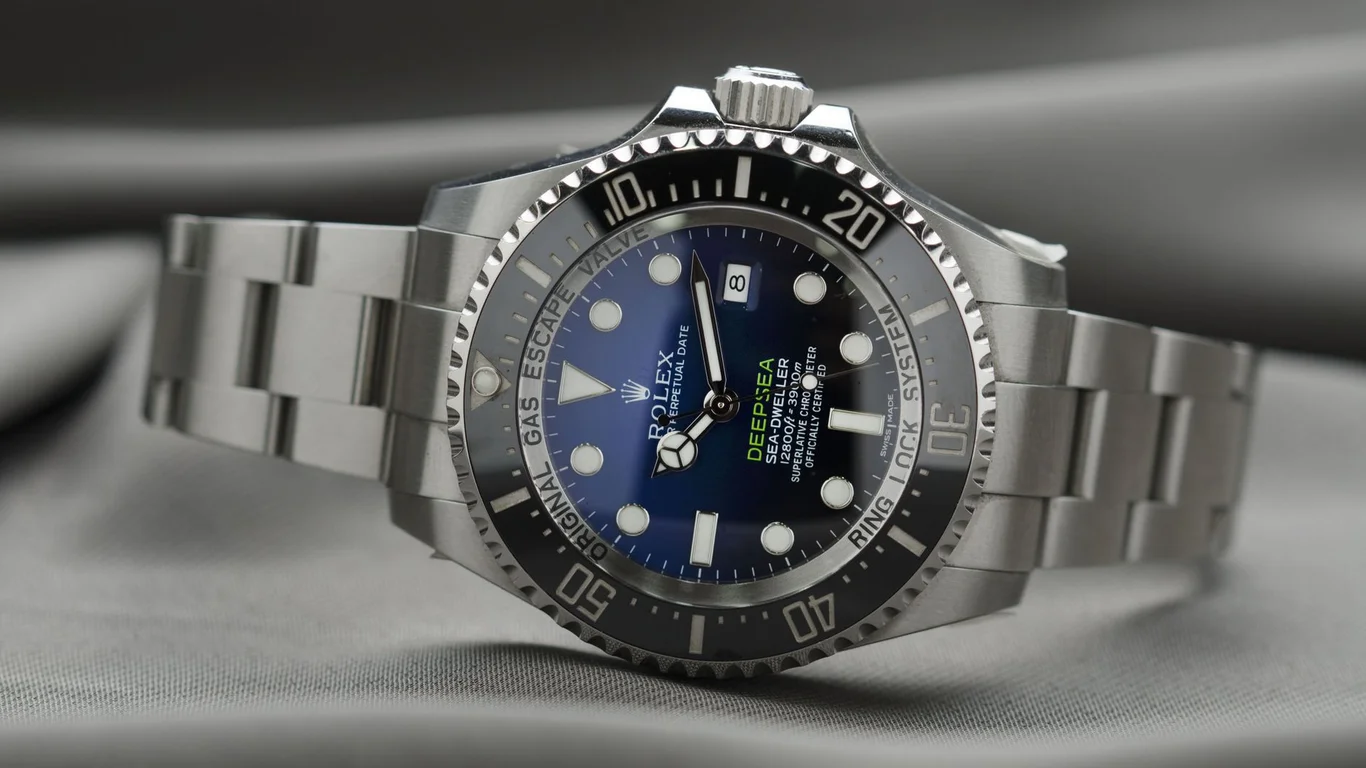
You’ve been staring at that cloudy, scratched-up acrylic crystal on your vintage diver or your daily beater for months. Every time the light hits it just right, the fine web of hairline scratches reminds you the watch is starting to look tired. You’ve heard about upgrading to sapphire crystal — the indestructible glass that luxury watches use — and you’re wondering if it’s actually possible, or if you’re about to waste your time and money on a part that won’t fit.
The short answer is yes, upgrading your acrylic watch crystal to mineral or sapphire is often possible. But it’s not a one-size-fits-all swap, and there are real pitfalls around thickness, dome shape, and gasket fit that can turn a straightforward job into a headache. This guide walks you through the materials, the brands you’re most likely working with, the tools you’ll need, and the honest cost-benefit of making the switch.
Acrylic vs mineral vs sapphire: what you’re actually choosing between
Before you order anything, you need to understand what each crystal material brings to the table — and where it falls short. Acrylic is the soft plastic that came on most budget and vintage watches. It scratches if you look at it wrong, but it’s cheap, easy to polish, and almost impossible to shatter. Mineral glass is a step up in hardness — it resists scratches much better — but it’s brittle. Hit it hard enough and it cracks. Sapphire crystal is the hardest transparent material used in watches, second only to diamond on the Mohs scale. It’s virtually scratch-proof, but it’s expensive and can shatter under a sharp impact.
Here’s the trade-off laid out simply. Acrylic costs a few dollars, scratches easily, but won’t break. Mineral glass costs $5–$20, resists scratches decently, but can crack. Sapphire costs $15–$50+ for generic shapes, is nearly scratch-proof, but can shatter if you whack it on a door frame. The “shatter risk” is real — if you work with your hands or bang your watch into things regularly, acrylic’s resilience actually makes it the safer choice despite its softness. Sapphire’s scratch resistance is unbeatable if you just want the crystal to look new for years.
Many aftermarket sapphire crystals have an anti-reflective coating on the underside. That’s a nice bonus — it cuts glare and makes the dial pop. But it also means you can’t polish the inside if it ever gets scratched (rare, but possible).
Why crystal thickness and dome shape matter for fit — it’s not universal
Here’s where most DIY upgrades go wrong. You can’t just match the diameter of your old acrylic crystal and call it a day. Acrylic crystals are typically thicker than their mineral or sapphire counterparts because the material needs more bulk to stay rigid. A sapphire crystal of the same diameter might be thinner — and if it’s thinner, it sits lower in the case. That changes the clearance between the crystal and the hands, and it can leave a visible gap where the old gasket used to sit.
Dome shape is another hidden variable. Acrylic crystals are often highly domed — especially on vintage divers and pilots — because the material can be molded into a tall bubble shape. Mineral and sapphire crystals are typically flatter or have a gentler dome. If your watch case was designed for a tall acrylic dome, a flat sapphire replacement might not seat properly or might look odd. You need to measure not just the diameter but the overall height and the shape of the underside where it contacts the gasket.
When ordering, look for crystals that specify “same profile as OEM” or “high dome” if your original was a bubble. Many aftermarket sellers list the height in millimeters — anything less than 2.5mm is considered low profile.
Watch brands and families most commonly upgraded
Not all watches are equally upgradeable. Some brands have a massive aftermarket ecosystem with drop-in sapphire replacements that require zero modification. Others use oddball shapes or integrated crystals that make a swap nearly impossible without machining. The table below covers the 20 most common brands you’ll encounter, with a realistic fit-difficulty rating and a note on what to watch for.
| Brand | Typical original crystal | Fit-difficulty rating | Key notes |
|---|---|---|---|
| Seiko | Mineral or Hardlex | Easy to moderate | Huge aftermarket; many SKX, Turtle, and SKX007-style cases have direct sapphire replacements. SNK809 and other 7S26 watches also well supported. |
| Citizen | Mineral | Moderate | Many Eco-Drive models use press-fit mineral crystals. Sapphire replacements exist for popular divers (Promaster, NY0040). Check case shape — some are odd. |
| Casio | Mineral (most), acrylic (some vintage) | Hard | G-Shock and most digital models have resin-integrated crystals — not replaceable as a standalone part. Only a few vintage analog models (like the MTP line) are candidates. |
| Orient | Mineral | Easy to moderate | Ray, Mako, and Kamasu divers have good aftermarket support. The crystal is typically flat or slightly domed — sapphire replacements are common. |
| Vostok | Acrylic | Easy | Amphibia and Komandirskie cases use a unique compression-fit system with a thick gasket. Acrylic-to-sapphire is straightforward if you get the correct diameter and thickness. |
| Timex | Acrylic (vintage), mineral (modern) | Moderate to hard | Many vintage Timex models use odd-sized or tapered crystals. Modern Expedition and Weekender crystals are press-fit but often proprietary — aftermarket is limited. |
| Fossil | Mineral | Hard | Fossil uses a lot of custom-shaped mineral crystals with integrated bezels or decorative rings. Swapping to sapphire usually requires a custom order — rarely worth it. |
| Invicta | Mineral | Easy to moderate | Pro Diver and similar models use standard-size flat mineral crystals. Sapphire replacements are widely available. Check if the crystal is a “top hat” style — that’s harder to source. |
| Rolex | Sapphire (modern), acrylic (vintage) | Moderate to hard | Vintage Submariner and Datejust acrylic-to-sapphire swaps are common but require a gasket change and sometimes a new retaining ring. Not a beginner job. |
| Omega | Sapphire (modern), Hesalite (vintage Speedmaster) | Moderate | Speedmaster Hesalite-to-sapphire is a popular upgrade. The crystal is domed and requires a specific aftermarket part. Seamaster models are usually already sapphire. |
| Tissot | Mineral or sapphire | Moderate | Many Tissot models already use sapphire. If you’re upgrading from mineral, check if the crystal is flat or slightly domed — the aftermarket is decent but not huge. |
| Hamilton | Mineral or sapphire | Moderate | Khaki Field models often have mineral crystals. Aftermarket sapphire replacements exist but require careful measurement — the case design varies by year. |
| Longines | Sapphire (most modern) | Hard | Most modern Longines already use sapphire. Vintage models with acrylic are harder to source replacements for — custom cutting may be needed. |
| Tag Heuer | Sapphire (modern), mineral (some Aquaracer) | Moderate to hard | Many Aquaracer models use mineral with an AR coating. Sapphire upgrades exist but the crystal is often integrated with the bezel — check compatibility carefully. |
| Rado | Sapphire (most modern) | Hard | Rado uses a lot of curved or shaped sapphire crystals that are proprietary. Upgrading from mineral is rarely straightforward unless you find an exact OEM part. |
| Mido | Mineral or sapphire | Moderate | Ocean Star and Commander models often have mineral crystals. Aftermarket sapphire is available for popular references — check the dome height. |
| Certina | Mineral or sapphire | Moderate | DS Action and similar divers often use mineral. Sapphire replacements exist for common sizes — the gasket is usually the same as Seiko SKX. |
| Swatch | Acrylic (most) | Very hard | Swatch uses a bonded plastic case and crystal — they are not designed to be disassembled. Crystal replacement is effectively impossible without destroying the watch. |
| Movado | Mineral or sapphire | Hard | Many Movado Museum watches use a flat mineral crystal. Aftermarket sapphire exists but the crystal is often glued in — removal risks damaging the case. |
| Bulova | Mineral (most), sapphire (some) | Moderate | Precisionist and Accutron models often have mineral. Aftermarket support is limited but growing — check the crystal’s shape (flat, domed, or stepped). |
If your watch uses a “top hat” or “stepped” crystal — where the crystal has a flat center and a raised outer ring — finding a sapphire replacement is significantly harder. These are common on some Seiko 5 models and many vintage chronographs. Always confirm the profile with the seller before ordering.
Step-by-step: what a crystal swap actually involves
If you’ve decided to go ahead, here’s the general flow of the job. The exact steps vary depending on whether your crystal is press-fit or screw-down, but the core process is the same. First, remove the movement from the case — you can’t swap a crystal with the movement still inside because the pressure could damage the hands or dial. You’ll need a case opener and a movement holder for this.
Next, remove the old crystal. For press-fit acrylic crystals, you can usually pop them out from the inside using a crystal lift or a simple hand press. For mineral or sapphire crystals that are glued or have a retaining ring, you may need to heat the case slightly to soften the adhesive, then use a crystal removal tool. If the crystal is threaded (rare but found on some dive watches), you’ll need a crystal wrench or a specialized tool for that brand.
Once the old crystal is out, clean the case gasket groove thoroughly. Any old adhesive, dirt, or corrosion will prevent the new crystal from seating properly. Fit the new gasket — if your upgrade involves a different material, the gasket thickness may need to change. For example, switching from acrylic to sapphire often requires a thinner gasket because the sapphire crystal is less compressible. Test-fit the new crystal without pressing it all the way down to check alignment and clearance with the hands.
Finally, press the new crystal into place using a crystal press with the correct die. Apply even, steady pressure — never force it. If it doesn’t seat smoothly, stop and check the gasket or the crystal’s edge for burrs. Once seated, reassemble the movement into the case and check for any pressure on the dial or hands. A quick water-resistance test (if you have the equipment) is highly recommended before you call the job done.
Tools required and when to use a professional instead
You don’t need a full watchmaker’s bench to do a crystal swap, but you do need a few specific tools. At minimum, you’ll need a case opener (either a case knife for snap-backs or a case back wrench for screw-downs), a movement holder, a crystal press with a set of dies, and a crystal removal tool (or a hand press that can do both removal and installation). A hand press is cheaper than a dedicated crystal press — around $20–$40 — but it’s less precise. A proper crystal press with interchangeable dies runs $50–$150 and is worth the investment if you plan to do multiple swaps.
You’ll also need a set of gaskets in various sizes and thicknesses, plus silicone grease for lubricating the gasket before installation. If you’re working with a glued crystal, you’ll need UV-curing adhesive or a specific watch crystal cement. A loupe or magnifying visor helps you inspect the crystal edge and the gasket groove for debris.
If you don’t own a crystal press, many local watch repair shops will press a crystal in for you for $10–$20 — especially if you bring the watch, the new crystal, and the correct gasket. That’s often cheaper than buying the tool for a one-time job.
When should you hand the job to a professional? If your watch has a screw-down bezel that needs to be removed to access the crystal, or if the crystal is retained by a tension ring (common on some divers), the risk of damaging the bezel or the case is high. Similarly, if your watch is a vintage piece with a fragile dial or hands that are easily bent, a pro can do the swap without marring the finish. Finally, if you’re upgrading a water-resistant watch and you don’t have a pressure tester, you’re gambling with the watch’s WR rating — a pro can test it afterward.
Gasket and water-resistance implications of any crystal swap
This is the part most DIY guides gloss over, but it’s critical. A crystal swap changes the pressure dynamics of the case. The gasket that seals the crystal to the case is designed for a specific material thickness and compressibility. Acrylic is soft and compresses more under pressure, which means it can actually improve the seal in some cases. Sapphire is rigid — it doesn’t compress at all. If you swap to sapphire without changing the gasket, you might end up with a gap that lets moisture in.
You need to measure the gasket groove depth and the crystal thickness to determine the correct gasket. In general, a sapphire crystal requires a gasket that is slightly thinner than the one used for acrylic — around 0.1mm to 0.2mm thinner, depending on the case design. If you’re unsure, buy a gasket assortment pack and test-fit with the movement out of the case. The crystal should sit flush with the case bezel or slightly below it — never proud of it.
Even if the crystal fits perfectly, a crystal swap will almost certainly void the watch’s original water-resistance rating. Unless you pressure-test the watch afterward, assume it’s no longer safe for swimming. A 100m-rated watch after a DIY crystal swap is effectively a splash-resistant watch until proven otherwise.
If your watch uses a compression gasket system — like the Vostok Amphibia — the gasket is actually a separate ring that sits between the crystal and the case, and it’s compressed when the case back is tightened. In that design, crystal thickness matters less because the gasket is independent. But for most press-fit crystals, the gasket is the only thing keeping water out. Don’t skip replacing it, and don’t reuse an old gasket that’s dried out or cracked.
Final thoughts: is the upgrade worth it?
Upgrading your acrylic crystal to mineral or sapphire can transform the look and longevity of your watch. A scratch-free, clear crystal makes the dial pop and eliminates that constant reminder that your watch is getting beat up. But it’s not a magic bullet — you trade scratch resistance for shatter resistance, and you introduce complexity around fit and water resistance that can trip up even experienced tinkerers.
If you’re working with a common Seiko, Orient, Vostok, or Invicta diver, the aftermarket support is strong enough that you can do the swap confidently with basic tools. For anything with a custom-shaped crystal, a fragile vintage dial, or a high water-resistance rating, the smart move is to buy the crystal yourself and have a pro install it. Either way, understanding the material trade-offs and the fit requirements upfront saves you from ordering the wrong part and ending up with a watch that’s worse off than when you started.
Frequently Asked Questions
Will a sapphire crystal fit my exact watch without modification?
Not automatically — it depends entirely on the watch. For popular models like Seiko SKX or Orient divers, you can often find drop-in sapphire crystals that use the exact same dimensions and gasket as the original acrylic. But for many watches, especially vintage or niche brands, you’ll need to measure your crystal’s diameter, thickness, and shape precisely, and even then you may need a custom gasket or a slight bezel modification to get a snug fit.
Does upgrading the crystal affect water resistance?
Yes, it can — and not always for the better. A properly sized sapphire crystal with a fresh, correctly compressed gasket can maintain or even improve water resistance, but if the replacement crystal is even a fraction of a millimeter off in thickness or diameter, or if you reuse an old gasket, you’ll create a leak path. Always replace the gasket and pressure-test your watch after any crystal swap to be sure.
Is sapphire actually shatter-prone despite being scratch-proof?
Yes, that’s the trade-off. Sapphire is extremely hard — a 9 on the Mohs scale — which makes it nearly impossible to scratch, but that hardness also makes it brittle. A sharp impact on the edge or a hard drop onto a tile floor can crack or shatter a sapphire crystal, whereas acrylic would just take a dent or a scuff. If you’re hard on your watches and bang them into doorframes regularly, mineral glass might be a better middle ground.
🛒 Shop Compatible Parts
Prices and stock verified daily by our affiliate partners. As an affiliate, WatchPartsFit may earn a commission on qualifying purchases at no extra cost to you.
Check Compatibility First →
watchpartsfit
WatchPartsFit editor covering mechanical watch strap compatibility, movement repair, and part-replacement guides.