
Watch Crystal Fogging Condensation Fix: What It Means and What to Do
 13 min read
2,556 words
13 min read
2,556 words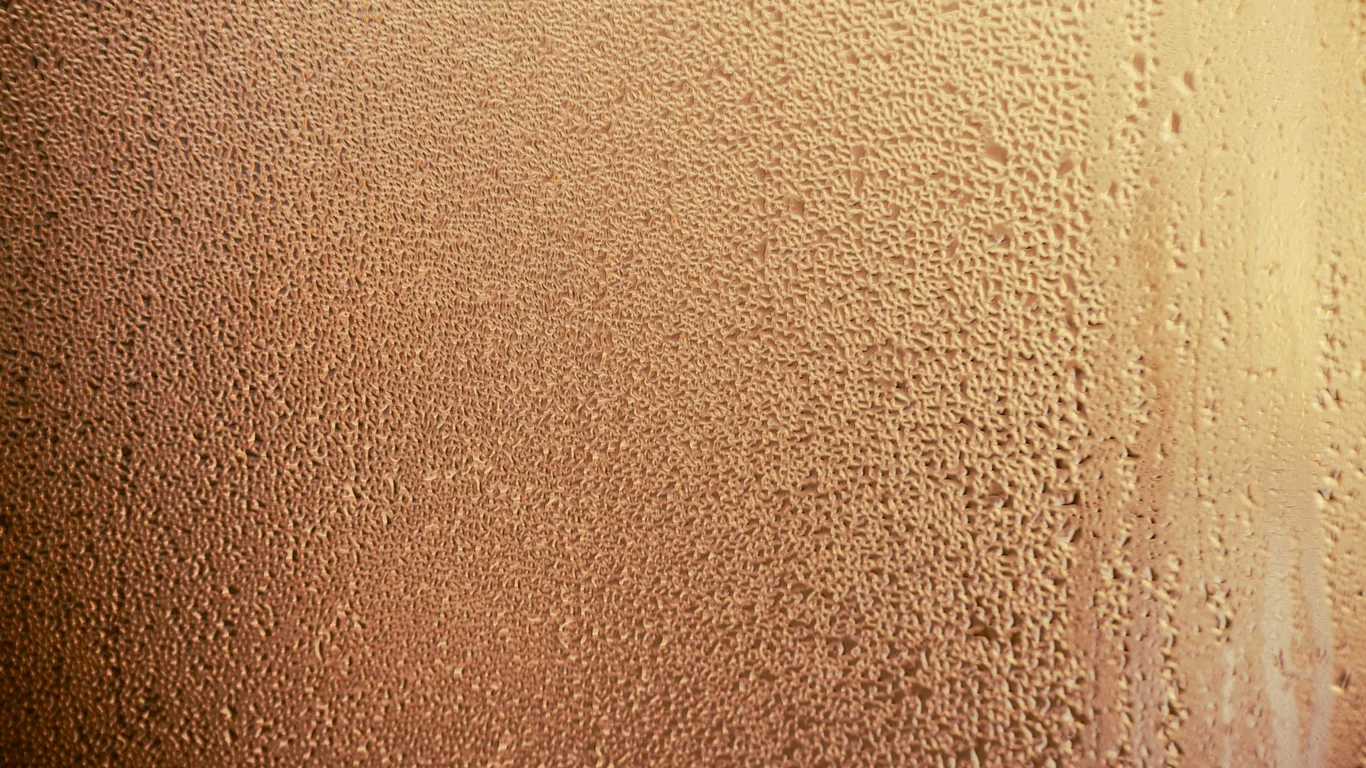
You Just Looked Down and Saw It: Fog Under the Crystal
If you just picked up your watch and noticed a hazy film or tiny droplets on the inside of the crystal, you’re probably not panicking yet — but you’re close. That moment when you tilt the dial and the fog doesn’t shift with the glass? That’s when the questions start. Is this normal? Did water get inside? Do you need to dry it out right now, or can you wait and see?
Here’s the short version before we dive in: not every case of fogging is a disaster, but every case of fogging deserves your attention. The trick is knowing which kind you’re dealing with — and fast. This guide walks you through exactly that, so you don’t overreact to a harmless temperature shift, and you don’t ignore the one that’s quietly damaging your movement.
Temperature-Change Fogging: The One That Usually Scares People for No Reason
You step out of an air-conditioned building into a humid summer afternoon. Or you take off a coat and your wristwatch suddenly looks like it’s been breathing on a cold window. That’s temperature-change fogging, and it’s the most common — and least dangerous — form of condensation under a watch crystal.
Here’s what’s happening: the air inside your watch case contains some moisture vapor. When the case cools down (say, from air conditioning or cold weather), that vapor can condense into tiny droplets on the inside of the crystal, just like a glass of ice water sweats on a warm day. The key word there is tiny — we’re talking a light haze, not puddles.
Every mechanical watch has some air inside the case, and that air carries humidity. “Water-resistant” means the case keeps liquid water out — it doesn’t mean the air inside is bone-dry. A small amount of moisture vapor is normal, and it can condense temporarily.
So how do you tell if this is what you’re seeing? Look for two things: timing and behavior. Temperature-change fogging appears within minutes of moving between hot and cold environments. It’s usually a faint, even haze across the whole crystal, not clustered droplets or a thick fog. And most importantly — it clears on its own within 30 to 60 minutes as the case temperature equalizes with your wrist.
If you see that pattern, you can relax. Let the watch sit on your wrist or on a table at room temperature. Don’t try to speed it up with a hair dryer or a radiator — that can shock the gaskets. Just give it time. If the fog is gone within an hour and doesn’t come back until the next temperature swing, you’re fine.
Persistent Fogging That Doesn’t Clear: The One That Actually Matters
Now let’s talk about the scenario that keeps watchmakers in business. You see fog under the crystal, you wait an hour — and it’s still there. Maybe it’s even worse, with visible droplets or a cloudy film that doesn’t shift when you tilt the watch. That’s not temperature condensation anymore. That’s moisture that has entered the case and is now sitting against the crystal, the dial, and — if it’s been there long enough — the movement.
This is the difference between your watch breathing and your watch leaking. Temperature fogging comes from moisture that was already inside the case. Persistent fogging comes from moisture that got in from the outside, which means the case seal has failed somewhere. A gasket has hardened, cracked, or shifted. The crown might not be fully seated. The case back might not be torqued properly. Whatever the cause, the result is the same: liquid water or high-humidity air is now inside your watch, and it’s not leaving on its own.
How can you tell the difference? Here’s a quick symptom table to help you decide what you’re dealing with:
| Symptom | Temperature Fogging (Harmless) | Persistent Fogging (Urgent) |
|---|---|---|
| Appears after temperature change | Yes — within minutes of cold-to-warm shift | Not necessarily — can appear anytime |
| Clears within 30–60 minutes | Yes — fades as case warms up | No — stays for hours or gets worse |
| Appearance | Even haze, like breath on glass | Droplets, streaks, or cloudy patches |
| Returns without temperature change | No — only after another cold exposure | Yes — comes back at room temperature |
| Visible moisture on dial or hands | Rare — usually just the crystal | Common — you might see beads of water |
If your watch matches the right column on more than one point, you need to act. And you need to act soon.
Why That Matters: Moisture Inside the Case Is Actively Damaging Your Movement
Here’s the part that’s easy to underestimate when you’re staring at a foggy crystal. You might think, “It’s just a little moisture — it’ll evaporate.” And technically, it will. But before it does, that moisture is doing real damage. Every hour it sits inside the case, it’s corroding the steel components of your movement — the pivots, the pinions, the springs, the screws. Rust doesn’t need a flood. It needs a thin film of moisture and time.
The movement is not sealed. It’s an open assembly of precision steel parts. When moisture condenses on the inside of the crystal, it can drip onto the dial, run down the hands, and settle into the gear train. You might not see the damage for weeks — until your watch starts running fast, or slow, or stops altogether. By then, the corrosion has already pitted the surfaces, and a simple cleaning might not be enough. You’re looking at replacement parts, maybe a full movement swap.
Moisture inside a watch case doesn’t just damage the movement — it can also corrode the dial and hands, causing permanent cosmetic damage that’s expensive or impossible to repair. A foggy crystal today can mean a ruined dial tomorrow.
And it’s not just the steel. If your watch has a date wheel or any printed surfaces, moisture can lift the printing or cause discoloration. If it’s a vintage piece with a paper or brass dial, the damage can be catastrophic. The longer the moisture sits, the more it spreads. This is not a “wait and see” situation once you’ve confirmed it’s persistent fogging.
What to Do Immediately If Fogging Doesn’t Clear Within an Hour or Two
Okay, so you’ve waited. The fog is still there. Maybe it’s been two hours, maybe it’s been overnight. You need to act, but you don’t need to panic. Here’s the immediate step-by-step:
Step one: stop wearing the watch. Your body heat is keeping the case warm, which keeps the moisture in vapor form. That sounds good, but it actually means the moisture is circulating inside the case instead of settling. Take the watch off and set it aside at room temperature. You want the moisture to condense and pool somewhere visible so you can assess it, not keep it suspended in the air.
Step two: check the crown. Is it fully pushed in or screwed down? A loose crown is the most common entry point for moisture. If you have a screw-down crown, make sure it’s tight — but don’t force it. If you find it was loose, tighten it and see if the fog clears over the next few hours. If it does, you might have gotten lucky with a simple user error. If it doesn’t, the gasket inside the crown tube is likely compromised.
Step three: check the case back. If your watch has a display case back, look for fog on the inside of that crystal too. If it’s there, the moisture is deep in the case. If it’s only on the front crystal, the leak might be near the bezel or crystal gasket. Either way, the fix is the same — professional service.
Step four: put the watch in a dry, warm (not hot) place. A sealed container with a silica gel packet is ideal. A desk drawer at room temperature works too. Do not use a hair dryer, an oven, or a radiator. High heat can damage the lubricants in the movement and crack the crystal gaskets. You’re not trying to bake the moisture out — you’re trying to give it a chance to evaporate slowly and see if the seal holds.
If you don’t have silica gel packs, a small bowl of uncooked rice in a sealed container with the watch can absorb ambient moisture. But this is a temporary measure — it won’t fix a failed gasket, and it won’t remove moisture that’s already inside the movement.
After 24 hours in a dry environment, check the watch again. If the fog is gone and doesn’t return when you wear it, you might have dodged a bullet — but you should still get the gaskets tested soon. If the fog returns, or if it never left, you need a professional.
Why This Is a Gasket/Seal Failure, Not a Crystal Problem Itself
It’s a natural instinct to look at the fog and think, “The crystal must be cracked.” And sometimes it is — a visible chip or crack can absolutely let moisture in. But the vast majority of persistent fogging cases come from failed gaskets, not broken crystals. The crystal itself is usually intact. The seal around it isn’t.
Your watch has multiple points of entry for moisture. The crystal gasket sits between the crystal and the case. The case back gasket seals the back. The crown gasket seals the winding stem. There might be gaskets on the pushers if it’s a chronograph, and on the case tube if it’s a screw-down crown. Any of these can fail with age, heat cycles, or physical shock.
Here’s a quick breakdown of the most common failure points:
- Crystal gasket: Dries out and shrinks over time, especially on watches 5+ years old. A common culprit on vintage and modern watches alike.
- Case back gasket: Often overlooked because it’s out of sight. If your watch was last serviced more than 3–4 years ago, this gasket is likely due for replacement.
- Crown gasket: Wears out from repeated use. A crown that feels loose or doesn’t screw down smoothly is a red flag.
- Pusher gaskets (chronographs only): Especially vulnerable because they move every time you use the chronograph. If you swim or shower with a chronograph, these fail first.
The fix is straightforward for a watchmaker: replace the affected gaskets, pressure-test the case, and dry out the movement. But the key point is this: replacing the crystal won’t fix a gasket leak. If you take the watch to someone who says “we’ll just put a new crystal in” without checking the gaskets, find a different watchmaker. The crystal is rarely the problem.
Why You Shouldn’t Open the Case Back Yourself to ‘Dry It Out’
This is the temptation that ruins more watches than moisture itself. You see the fog, you think, “I’ll just pop the case back off and let it air out for a day.” Don’t. Here’s why that’s almost always a bad idea.
First, you’re exposing the movement to dust and debris. The inside of a watch case is a controlled environment. Once you open it, you’re inviting lint, skin cells, and airborne particles to settle on the oiled pivots and gear teeth. That dust acts as an abrasive, accelerating wear. A watchmaker works in a clean, static-controlled environment. Your kitchen table is not that.
Second, you might not get the case back sealed again. Many modern watches have screw-down case backs that require a specific torque to seal properly. Over-tighten and you can strip the threads or crack the gasket. Under-tighten and you’ve created a bigger leak than you started with. Snap-on case backs are even trickier — they need a press tool and the right die to seat evenly. A crooked case back is a guaranteed moisture entry point.
Third, you can damage the movement. If you pull the crown out while the case back is off, you can accidentally dislodge the stem or the keyless works. If you touch the balance wheel or the hairspring, you can bend it — and that’s a repair that costs more than a full service. The movement is not designed to be handled by amateurs. It’s a precision instrument with tolerances measured in microns.
Opening the case back yourself almost always voids any remaining warranty on the watch. Even if the watch is out of warranty, a botched DIY drying attempt can turn a $100 gasket replacement into a $500 movement overhaul. It’s not worth the risk.
The right move is to take the watch to a professional. A watchmaker will open the case in a controlled environment, remove the movement, dry it thoroughly with specialized equipment (often a watch-specific drying oven or a vacuum chamber), clean and re-oil the movement if needed, replace all the gaskets, and pressure-test the case to confirm the seal is restored. That whole process costs less than a new movement — and it’s the only way to be sure the moisture is completely gone.
If the fogging is persistent, don’t wait. Trapped moisture actively damages a movement the longer it’s not addressed. Every day you delay is another day of corrosion. A professional service now is the difference between a watch that runs for another decade and a watch that becomes a parts donor.
A Final Word on What You Just Learned
Seeing fog under your watch crystal is unsettling, but you now know the difference between the harmless kind and the kind that needs action. Temperature-change fogging clears on its own and is nothing to worry about. Persistent fogging that stays for hours or returns without a temperature shift means a gasket has failed and moisture is inside the case. That’s the one that needs professional attention — and needs it soon.
Don’t open the case back yourself. Don’t try to dry it with heat. Don’t ignore it and hope it goes away. A watchmaker can fix this quickly and affordably if you catch it early. Let it sit, and the damage compounds. Your watch is telling you something with that foggy crystal. Listen to it.
Frequently Asked Questions
Does fogging always mean my watch is damaged?
No, not always. If the fog appears only after a sudden temperature change—like stepping from air conditioning into summer heat—and clears within 20 to 30 minutes as the watch warms up, it’s just condensation on the outside of the crystal and completely harmless. But if the fog lingers for hours, returns repeatedly without a temperature shift, or forms droplets, that indicates moisture has breached the gaskets and is inside the case, which does risk corrosion and damage to the movement.
How long should temperature-related fogging take to clear?
Harmless condensation from a temperature change typically clears within 20 to 30 minutes as the watch equilibrates to room temperature. If the fog persists beyond an hour or reappears later without another temperature swing, it’s no longer normal condensation—it’s a sign of a failed seal and trapped moisture that needs professional attention.
Can I dry out a fogged watch myself with rice or silica gel?
You should not. Rice is ineffective at pulling moisture from inside a sealed watch case and can leave dust and starch particles that clog the crown or movement. Silica gel in a sealed bag with the watch might help with minor surface condensation if the case is already open, but for a fogged watch with intact gaskets, neither method addresses the root cause—a failed seal—and you risk accelerating corrosion by delaying a proper service.
🛒 Shop Compatible Parts
Prices and stock verified daily by our affiliate partners. As an affiliate, WatchPartsFit may earn a commission on qualifying purchases at no extra cost to you.
Check Compatibility First →
watchpartsfit
WatchPartsFit editor covering mechanical watch strap compatibility, movement repair, and part-replacement guides.