
Seiko NH35 / NH36 / 4R Series Problems: Causes, Fixes & When to See a Watchmaker
 12 min read
2,348 words
12 min read
2,348 words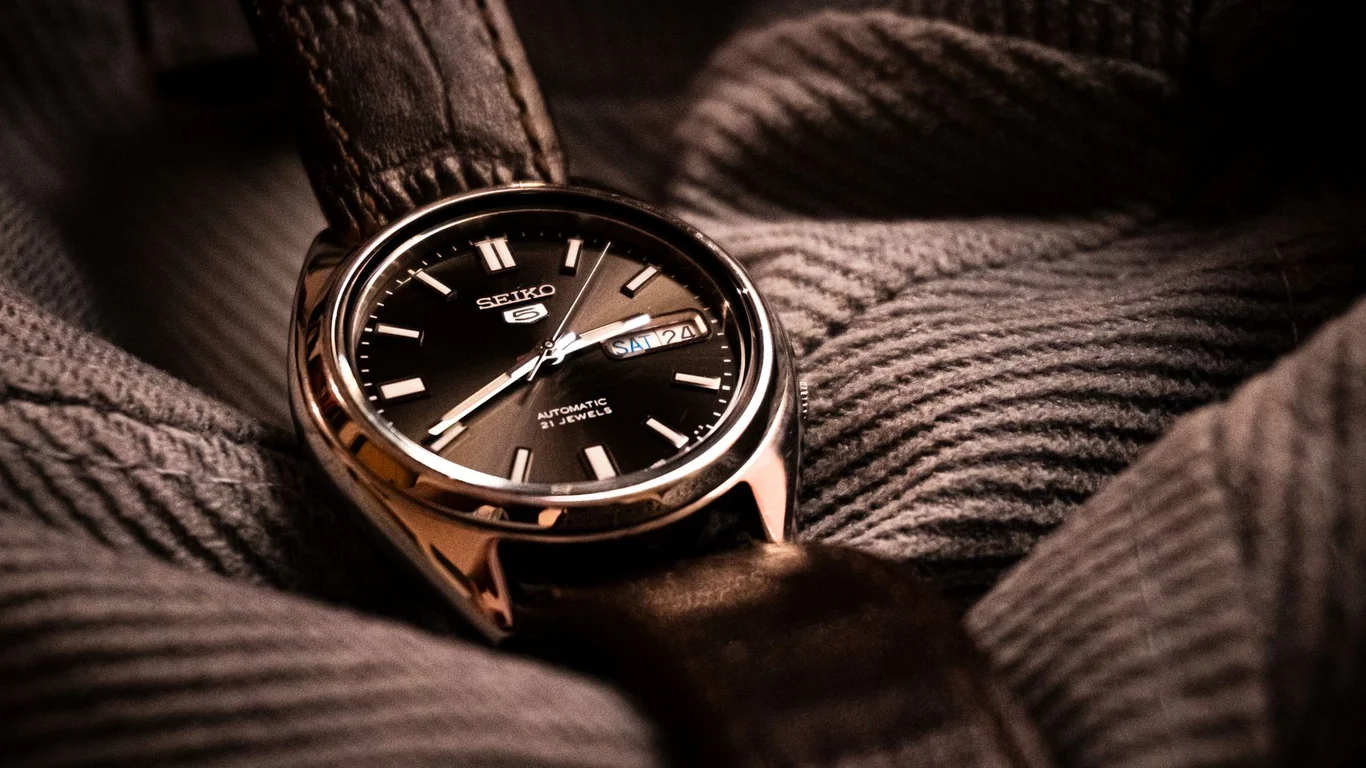
You’re wearing your favorite modded Seiko, the one with the NH35 you built yourself, and suddenly it stops. Or maybe it’s running ten minutes fast by lunch. Or that rotor noise you ignored for months has turned into a full-on rattle. Before you panic or start ordering random parts, take a breath. The NH35, NH36, and the broader 4R family are some of the most reliable, workhorse movements in the watch world, but they aren’t invincible. This guide walks you through the most common problems, what you can safely poke at on your kitchen table, and when it’s time to hand it off to someone with a loupe and a parts account.
Quick Overview: What the NH35 / NH36 / 4R Series Family Actually Is
If you’ve spent any time in the watch-modding community, you already know the NH35 and NH36 are the unsung heroes of affordable automatic movements. These are the same core caliber as the Seiko 4R35 and 4R36 — identical in construction, just sold as generic replacements for the aftermarket. The NH35 is a three-hand, no-date movement. The NH36 adds the day-date complication. Both beat at 21,600 vph, hack, hand-wind, and offer roughly 41 hours of power reserve.
You’ll find these inside everything from $200 Seiko 5 Sports to custom builds from independent modders, and even some microbrands that want reliable, serviceable automatics without the Swiss price tag. They are tough, easy to work on, and parts are cheap. But “cheap parts” and “easy to work on” don’t mean they never fail. They just mean the fix is usually straightforward — if you know what to look for.
The NH35 and 4R35 are mechanically identical. The only difference is that Seiko reserves the 4R designation for movements sold to watch brands, while NH-series movements are sold as generic replacements. Same internals, same problems, same fixes.
Watch Stopped Completely: Most Likely Causes and What to Check First
This is the one that gets the heart rate up. Your watch was running fine yesterday, and now it’s dead on your wrist. Before you crack the caseback, rule out the simple stuff. Did you wind it? If you’ve been wearing it all day and it still stopped, the automatic winding system might have failed, or the mainspring could be fully unwound and not catching.
First check: give the crown about 20 turns clockwise. If the second hand starts moving immediately, your watch just needed a wind — and you might have a rotor issue that’s preventing it from self-winding. If nothing happens after winding, the problem is deeper.
Next, hold the watch to your ear and give it a gentle shake. Do you hear anything rattling inside? A loose screw or a broken rotor bearing will make a distinct clatter. No sound at all could mean the balance staff is broken, the mainspring is snapped, or something is physically blocking the gear train.
If you’re comfortable opening the caseback, look for obvious issues: a loose screw jammed between the bridges, a broken balance pivot, or a hairspring that’s tangled. If you see a clean movement with nothing obviously out of place, the problem is likely a worn or broken part that needs a watchmaker’s diagnosis.
If the watch stopped after a drop or impact, do not keep shaking it or forcing the crown. A broken balance staff can cause further damage if the movement is jostled. Stop, set it down, and take a careful look under a loupe first.
Running Fast or Slow (Losing/Gaining Time): Common Causes
A watch that suddenly starts running fast or slow is usually a regulation or magnetization issue, not a broken movement. The NH35 and NH36 are regulated at the factory to about -20 to +40 seconds per day — Seiko’s standard tolerance is generous. But if yours was running within reason and suddenly jumped to losing five minutes a day, you’ve got a problem.
Magnetization is the most common culprit. If your watch has been near a laptop speaker, a magnetic clasp on a bag, or even certain MRI machines (don’t ask), the balance spring can become magnetized. This causes the coils of the hairspring to stick together, effectively shortening the spring and making the watch run fast — sometimes dramatically fast. A quick check: download a free magnetometer app on your phone and hold the watch near the sensor. If it reads above 50 µT, it’s magnetized.
Demagnetization is a simple fix. A cheap demagnetizer (about $15) will sort it out in seconds. Pass the watch through the tool slowly, and test again. If the rate returns to normal, you’re done. If not, the problem is mechanical — likely a bent hairspring, worn pivot, or dried-out lubricant.
Time loss (running slow) is often a power delivery issue. A partially wound mainspring that slips, a rotor that doesn’t spin freely, or old, gummy oil can all drag the movement down. If your watch is losing time consistently, especially if it’s been years since service, the answer is usually a full clean and re-oil.
You can buy a timegrapher app for your phone that gives a reasonable estimate of beat error and amplitude. If your amplitude is below 200 degrees, your movement likely needs service. Above 270 degrees and still losing time? Check for magnetism first.
Rotor Noise or Rattling: What’s Normal vs. a Real Problem
The NH35 and NH36 rotors are not silent. They use a ball-bearing system that produces a distinct whirring or grinding sound when the rotor spins. If you’ve ever handled a Seiko diver, you know the sound: it’s a bit rough, a bit industrial, and completely normal. But there’s a difference between “normal rotor whir” and “something is knocking around in there.”
A loud, metallic rattle that you can feel through the caseback usually means the rotor screw has come loose, or the rotor bearing has failed. Loose rotor screws are surprisingly common in modded watches where the builder may not have used thread locker. If you open the caseback and the rotor wobbles freely or lifts off the movement, tighten the screw — but only a quarter turn past snug. Over-tightening can strip the thread in the rotor bridge.
If the rotor is tight but still makes a grinding noise, the ball bearing itself is worn. This is less common but happens in watches that have been run for years without service. The fix is a rotor replacement, which costs about $10-15 for a new NH35 rotor assembly. You can swap it yourself with basic tools.
One more thing: a rotor that spins too freely and never stops can indicate that the automatic winding mechanism’s reversing wheels are worn. This won’t make a rattle, but it will prevent the watch from winding properly. You’ll notice the watch stops running overnight even after a full day of wear.
Winding Failure (Crown Doesn’t Wind or Hand-Wind Feels Loose)
If your NH35 or NH36 won’t wind manually, or the crown turns with no resistance at all, the problem is almost always in the keyless works or the winding stem. This is one of the most common issues in modded watches, usually caused by someone pressing the crown release button too hard or pulling the crown out while the stem is partially engaged.
First, check if the crown pulls out to all positions normally. If it feels loose or comes out too easily, the stem might be damaged or the setting lever spring has popped out of place. If the crown winds but feels “slippy” — like it’s spinning without engaging — the mainspring barrel could be the issue. A broken mainspring will let the crown turn freely, but the watch won’t run.
For hobbyists: you can remove the stem and check the keyless works. Look at the setting lever, yoke, and sliding pinion. If any of these are misaligned, a careful reset often fixes the problem. But if you see bent parts or a broken mainspring, that’s a parts replacement job. The keyless works on the NH35 are robust, but they aren’t idiot-proof.
Never force the crown if it feels stuck. Forcing a stuck winding mechanism can break the stem or damage the keyless works, turning a $20 repair into a $100 one. If the crown won’t turn, stop and investigate before applying torque.
Date/Day-Change Issues (If Applicable to This Family)
The NH36 and 4R36 add a day-date complication, and that’s where a few extra gremlins live. The most common complaint: the date changes at the wrong time, or it doesn’t change at all. This is almost always a hand-setting issue, not a movement defect. If the date changes at 3:00 PM instead of midnight, the hour hand was installed incorrectly relative to the movement’s internal cycle.
If the date wheel is stuck halfway between two numbers, the quick-set mechanism might be jammed, or the date jumper spring has popped out. You can check this by removing the movement from the case and looking at the date wheel. If it’s misaligned, a gentle nudge with a toothpick often reseats it. If the date wheel is physically cracked or the date jumper is bent, you’ll need a replacement part.
Day wheels (the ones that show Monday/Tuesday, etc.) can also get stuck if the movement isn’t seated correctly in the case. A tight caseback can press on the day wheel, binding it against the dial. This is a common issue in aftermarket cases that weren’t designed for the NH36. The fix is usually a thinner caseback gasket or a slight recess in the caseback interior.
Symptom Comparison Table: What’s Likely Going On
| Symptom | Likely Cause | Home Fixable? |
|---|---|---|
| Watch stopped, won’t wind | Broken mainspring or keyless works issue | No — requires parts and disassembly |
| Watch stopped, winds but won’t run | Balance staff broken or gear train jam | No — professional diagnosis needed |
| Running fast (+5 min/day) | Magnetization | Yes — demagnetizer, 30 seconds |
| Running slow (-3 min/day) | Low amplitude, old oil, or worn pivot | No — needs service |
| Rotor rattles loudly | Loose rotor screw or failed bearing | Yes — tighten screw or replace rotor |
| Crown spins freely, no wind | Broken mainspring or stem issue | No (mainspring) / Maybe (stem) |
| Date changes at wrong time | Hour hand misaligned | Yes — remove and reset hands |
| Date wheel stuck halfway | Date jumper or quick-set misalignment | Maybe — check and reseat |
What a Hobbyist Can Safely Check at Home vs. When to Send It to a Watchmaker
If you’re a hobbyist with a basic toolkit — caseback opener, tweezers, screwdrivers, a loupe — there’s a lot you can do without risking the movement. You can check for magnetism, tighten a loose rotor screw, demagnetize the watch, and even remove and reset the hands if the date alignment is off. You can also swap a rotor assembly or replace a winding stem, both of which are straightforward on the NH35/NH36.
But there’s a line. If you open the movement and find a broken balance staff, a cracked jewel, or a mainspring that’s snapped, you’re looking at specialized tools and parts that aren’t worth stocking unless you service watches regularly. The NH35 is cheap enough that many hobbyists just buy a new movement ($40-50) and swap the whole thing rather than repair the old one. That’s a perfectly valid approach — and often faster than hunting down a broken part.
Send it to a watchmaker if: the watch stopped after a drop and you see no obvious loose parts, the movement has visible rust or moisture damage, or you’ve tried a home fix and the problem came back within a week. A professional has the timegrapher, the cleaning machine, and the spare parts stash to do it right. For a movement this common, a full service runs about $100-150, which is less than a new watch but more than a new movement. Decide based on whether the watch has sentimental value or you just want it running again.
The NH35 and NH36 are not fragile movements. They take a beating, run for years without complaint, and are forgiving of amateur tinkering. Nine times out of ten, the problem is something simple — a magnet, a loose screw, or a tired mainspring. Work through the symptoms one at a time, don’t force anything, and you’ll either fix it yourself or know exactly what to tell the watchmaker. Either way, you’ll get that rotor spinning again.
Frequently Asked Questions
Is the Seiko NH35 / NH36 / 4R Series generally reliable, or prone to specific failures?
These movements are known for being tough and reliable — they’re workhorses that can run for years without issue under normal wear. That said, they’re not immune to a few common gremlins: the automatic winding mechanism can jam from a loose screw or debris, the mainspring can fatigue over time, and the rotor bearing can get noisy if the lubricant dries out. None of these are catastrophic failures, and most are fixable without replacing the whole movement.
How much does a typical service cost for this movement family?
A full professional service for an NH35, NH36, or 4R series movement typically runs between $100 and $150, which covers disassembly, cleaning, re-oiling, and regulation. Because a brand-new movement costs only $40 to $50, many hobbyists opt for a straight swap instead of a service — but if your watch has sentimental value, the service is the better route.
Can I fix a stopped automatic movement myself by just winding or shaking it?
Sometimes, yes — if the watch has simply run out of power from sitting idle, a few dozen manual winds or a minute of gentle shaking will get it going again. But if the movement is stopped due to a jammed rotor, a loose screw, or a broken mainspring, winding or shaking won’t help and could even cause more damage. If the watch doesn’t start running after a full manual wind, you’re looking at a mechanical issue that needs a closer look.
🛒 Shop Compatible Parts
Prices and stock verified daily by our affiliate partners. As an affiliate, WatchPartsFit may earn a commission on qualifying purchases at no extra cost to you.
Check Compatibility First →
watchpartsfit
WatchPartsFit editor covering mechanical watch strap compatibility, movement repair, and part-replacement guides.